3 Treatments Patients Wish They Had Started Earlier
Prevention is easier than correction. Learn the three aesthetic treatments patients most regret not starting sooner, and why your future self will thank you.
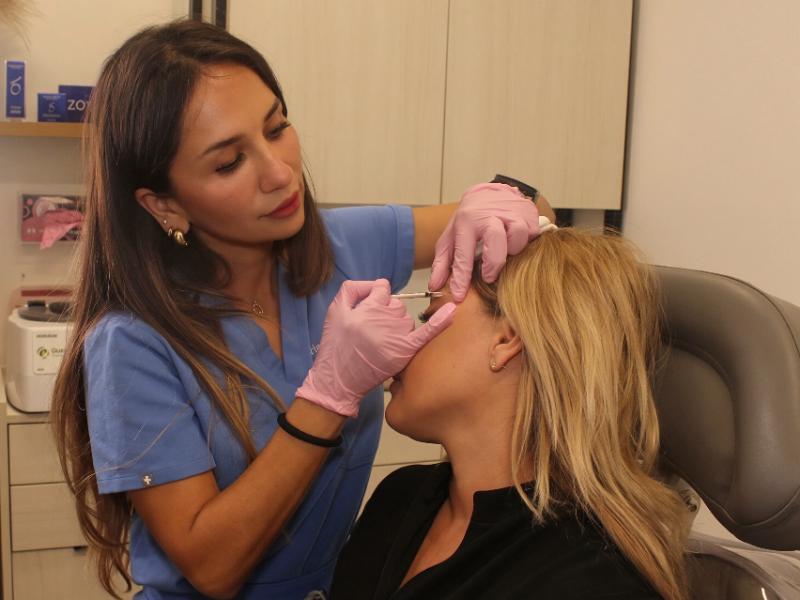
“I wish I had started sooner.”
I hear this all the time from patients in their 40s and 50s. They come in hoping to reverse years of sun damage, volume loss, and deep-set wrinkles—things that could have been prevented or minimized with earlier intervention.
Here’s the truth: prevention is much easier than correction.
Once lines are etched into your skin, once collagen is significantly depleted, once texture damage has compounded for years, it takes more time, more treatments, and more investment to see results.
But starting earlier? That changes everything.
These are the three treatments I always recommend starting earlier than you think—and why your future self will thank you.
1. Neurotoxin (Tox): Start in Your Late 20s or Early 30s
Neurotoxin treatments like Botox, Dysport, and Jeuveau don’t just smooth existing wrinkles. They prevent wrinkles from forming in the first place.
How it works: Neurotoxins temporarily relax the muscles that cause expression lines. When those muscles aren’t constantly contracting, the skin above them doesn’t crease repeatedly—which means lines don’t set in permanently.
Why start early:
- In your 20s-30s: Lines are dynamic (only visible when you make expressions). Neurotoxin keeps them that way.
- In your 40s-50s: Lines become static (visible even when your face is at rest). It takes more product, more frequent treatments, and longer to soften them.
What “early” looks like: Starting in your late 20s doesn’t mean freezing your face. It means light, preventive treatments in high-movement areas like the forehead, between the brows, and around the eyes.
Think of it like maintaining your car. Regular oil changes prevent engine damage. Preventive tox prevents permanent wrinkles.
The regret I hear: “I thought Botox was only for older people with deep wrinkles. I didn’t realize it could stop wrinkles from forming. Now I’m playing catch-up.”
2. Microneedling, Biostimulators & Collagen Induction: Start in Your Late 20s
Collagen is the foundation of youthful skin. It keeps skin firm, smooth, and resilient.
The problem: Collagen production peaks in your late teens to early 20s and declines about 1% per year after that. Once perimenopause/menopause starts, late 30’s- 40s, collagen decline accelerates. More noticeable loss of collagen, fat loss in the face - which shows up as sagging skin, texture changes, and volume loss.
The solution: Collagen-stimulating treatments build and maintain your skin’s foundation before it’s too late.
Microneedling
Creates controlled micro-injuries that trigger your body’s natural healing response, producing new collagen and elastin.
Best for:
- Fine lines and texture
- Acne scars
- Pore size
- Overall skin quality
Why start in your 20’s- 30s: Building collagen now means better skin quality and resilience as you age. Waiting until your 40s or 50s means you’re trying to rebuild what’s already been lost.
Biostimulators (Sculptra, Radiesse)
Injectable treatments that stimulate deep collagen production for long-term volume and firmness.
Best for:
- Facial volume loss
- Skin laxity
- Overall facial rejuvenation
Why start in your 20s: Gradual collagen building in your 20-30s maintains your facial structure. Starting in your 40s-50s means you’re restoring significant volume loss, which takes more product and more time.
The regret I hear: “I didn’t know collagen doesn’t regenerate on its own forever. I thought good skincare was enough. Now I’m seeing how much volume I’ve lost and wishing I had built a foundation earlier.”
Learn more about the differences between Sculptra and Radiesse →
3. Medical-Grade Skincare, Facials & Chemical Peels: Start in Your 20s
Skin cell turnover slows significantly in your late 20’s. Your skin used to renew itself every 28 days. By your 30s, that process can take 45-60 days or longer.
The result:
- Dull, uneven skin tone
- Rough texture
- Hyperpigmentation that doesn’t fade
- Fine lines becoming more visible
- Slower healing and recovery
The solution: Professional exfoliation and medical-grade skincare keep your skin functioning optimally.
Chemical Peels
Remove dead skin cells, stimulate collagen, and improve tone and texture at a deeper level than at-home products can achieve.
Best for:
- Sun damage and pigmentation
- Fine lines
- Acne and acne scarring
- Overall skin brightness
Medical-Grade Skincare
Products with active ingredients at clinical concentrations that actually change your skin at a cellular level.
Key ingredients to start using in your late 20s, early 30s:
- Retinoids (stimulate collagen, increase cell turnover)
- Vitamin C (antioxidant protection, brightening)
- Growth factors (support skin repair and regeneration)
- SPF (non-negotiable for prevention)
Why start in your late 20s: Consistent professional treatments and clinical-grade products maintain your skin’s natural renewal process. Waiting until damage is visible means you’re correcting years of accumulated sun exposure, cellular slowdown, and texture issues.
The regret I hear: “I used drugstore products my whole life and thought they were enough. I didn’t realize how much difference medical-grade skincare and professional treatments could make. Now I’m trying to reverse damage instead of preventing it.”
Why “Earlier Than You Think” Matters
Most people wait until they see a problem before they act.
They wait until the forehead lines are deep. Until their skin looks dull and textured. Until they’ve lost noticeable volume in their face.
At that point, treatment is about correction, not prevention. And correction takes more time, more product, and more commitment.
Starting earlier means:
- Less product needed over time
- Better long-term results
- Maintaining what you have instead of trying to rebuild what you’ve lost
- Lower overall investment (prevention is cheaper than correction)
What “Starting Early” Actually Looks Like
Starting aesthetic treatments in your late 20s or 30s doesn’t mean looking “done” or overdoing it.
It means:
- Light, preventive neurotoxin in high-movement areas
- One or two microneedling sessions per year
- Quarterly professional facials or peels
- Medical-grade skincare as your foundation
- Strategic biostimulator treatments to maintain structure
Think maintenance, not transformation.
The Best Time to Start
The best time to start was 10 years ago.
The second best time is now.
If you’re in your 20s-30s: You have the advantage of prevention. Small, consistent treatments now mean better skin for decades.
If you’re in your 40s-50s: It’s not too late. You’re not “behind.” But the approach shifts from prevention to restoration, which takes a more comprehensive plan.
If you’re in your 60s+: You can still see significant improvement. It just requires a strategic combination of treatments tailored to your specific concerns.
Where to Start: Your First Consultation
If you’re not sure where to begin, that’s what consultations are for.
We’ll discuss:
- Your current skin concerns
- Your goals (prevention vs. correction)
- Which treatments make sense for your age and skin
- A realistic timeline and investment
No pressure. No over-treatment. Just an honest assessment and a clear plan.
Learn more about what to expect at your first filler consultation →
Common Questions About Starting Early
“Isn’t starting Botox in my 20s too young?” Not if you’re starting to see dynamic lines (lines that appear when you make expressions). Preventive tox uses less product and keeps lines from becoming permanent.
“Will my skin become dependent on treatments?” No. Treatments like neurotoxin, microneedling, and peels don’t create dependency. They support your skin’s natural functions as they slow down with age.
“Is it worth it if I haven’t started yet?” Absolutely. It’s never too late to start. The benefits of collagen-stimulating treatments, professional skincare, and preventive neurotoxin apply at any age.
“How much does prevention cost compared to correction?” Prevention typically costs less over time because you’re maintaining what you have, not trying to restore significant loss. Early intervention = smaller, more affordable treatments.
The Bottom Line
Hindsight in aesthetics is real. I see it every day.
But here’s the good news: you don’t have to wait until you’re wishing you had started sooner.
Your future self will thank you for the appointment you book today.
📞 Call or text: (561) 607-6904
📍 Visit us: 500 NE Spanish River Blvd, Suite 28, Studio 121, Boca Raton, FL 33431
💻 Book your consultation: Book your consultation
Let’s figure out where to start.
Yarianna Boccia, NP | Board-Certified Family Nurse Practitioner | Founder, Aesthetics by Yari
Ready to Start Your Beauty Journey?
Schedule a consultation with Yari to discuss your aesthetic goals and create a personalized treatment plan.