Injectables
Filler correction uses a medication called Hylenex or hyaluronidase to aid in the safe and effective dissolution of fillers. It can be considered when filler looks overdone, has migrated, feels uneven, or no longer matches the result you want.
This FDA-approved enzymatic injectable treatment gives patients an option to address unwanted filler and, when appropriate, start fresh with a new plan.
How Filler Correction Works
Hylenex, or hyaluronidase, is an enzyme that breaks down hyaluronic acid, the same substance most dermal fillers are made of. Injected directly into the area, it dissolves unwanted filler over a short period, giving your face a chance to return closer to its natural state before any new treatment plan is considered.
What Results to Expect
Dissolving typically begins working within 24-48 hours, with the full effect usually visible within a few days to about a week depending on how much filler is being addressed. Some patients need more than one session for complete correction of larger amounts of filler, which is assessed during your consultation.
Downtime and Recovery
Mild swelling, redness, or bruising at the injection site is common for a few days, similar to the original filler appointment. Most patients resume normal activities the same day.
Is Filler Correction Right for You?
Filler correction is a common and completely valid option for patients unhappy with results from previous treatment elsewhere, whether the concern is overfilling, lumpiness, migration, or simply wanting to start over with a different approach. It’s frequently the first step before a new treatment plan: once unwanted filler is safely dissolved, many patients move forward with a fresh, more conservative dermal filler plan or a broader facial balancing approach built around what they’ve learned they do and don’t want. If you’re not sure whether what you’re seeing is a normal part of aging, settling, or something that would benefit from correction, a consultation can help you tell the difference.
Frequently Asked Questions
Is dissolving filler painful? Most patients describe mild discomfort similar to the original filler injection, and numbing options are available.
How soon can I get new filler after correction? This depends on the extent of correction needed and is discussed individually, since the area needs time to settle first.
What can filler correction fix? It can address overfilling, lumpiness, asymmetry, migration, or general dissatisfaction with previous filler results, giving you the option to reset before deciding on a new plan.
Is there anything I should avoid after filler correction? Strenuous exercise and excessive heat or sun exposure are typically avoided for a day or two, similar to aftercare following the original filler treatment.
Can all types of filler be dissolved? Hyaluronidase dissolves hyaluronic acid fillers, which make up most fillers used today. Other filler types are discussed individually during your consultation.
How will I know if I need filler correction? If previous filler looks overfilled, uneven, migrated, or simply isn’t what you expected, a consultation can help determine whether correction is appropriate or whether what you’re noticing is a normal part of settling.
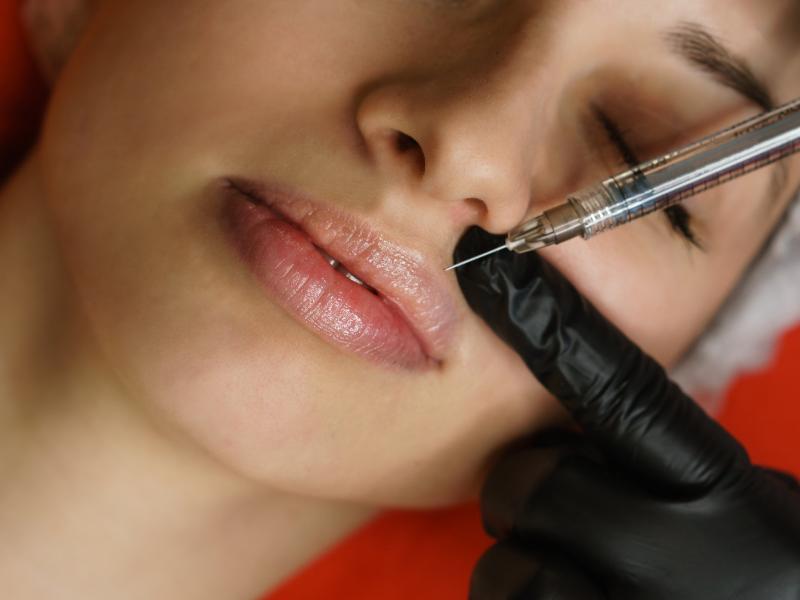
When filler correction may be needed
- Overfilled appearance
- Filler migration or displacement
- Uneven or lumpy results
- Dissatisfaction with previous work
- Rare vascular complications
- Desire to start fresh